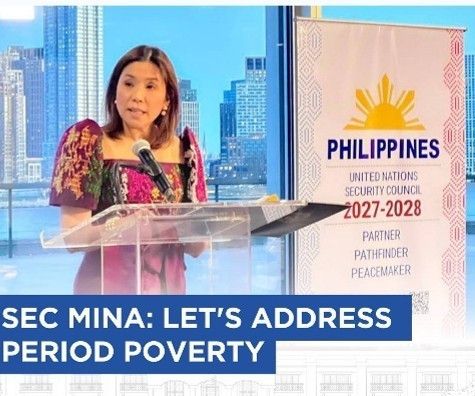
Periods are a fact of life for many people, but an estimated 500 million women who menstruate lack access to adequate menstrual materials and appropriate sanitation and hygiene facilities. Period poverty refers to barriers to accessing or affording menstrual products, while broader menstrual health also depends on safe facilities, accurate information and healthcare. These barriers can affect health and dignity and prevent girls and women from fully participating in school, work and social activities. According to the WHO, only 39% of schools currently provide menstrual-health education. www.humanrightscareers.com/issues/womens-issues/
Period poverty in the Philippines is a multifaceted issue affecting access to menstrual products, education, and hygiene, with significant social, economic, and health implications. Period poverty refers to the lack of access to menstrual products, hygiene facilities, and reproductive health education, which disproportionately affects women and girls, particularly those from low-income households and urban poor communities. Beyond material scarcity, it also encompasses cultural stigma, misinformation, and the silencing of menstruation in public and private spaces, which can hinder participation in school, work, and social life.
Studies show that adolescent girls from urban poor areas, such as Manila, experience high levels of period poverty, with limited access to information, pain management, and proper menstrual hygiene practices. Factors such as family income, parents’ occupation, and household water sources increase the likelihood of experiencing period poverty. The consequences include emotional distress, reduced school attendance, and compromised well-being, highlighting the intersection of economic and health challenges.
The Philippines’ strong Catholic influence has historically limited the implementation of comprehensive sex education, delaying awareness and education on menstrual health. Although the Responsible Parenthood and Reproductive Health Act of 2012 mandates reproductive health services and sex education, its enforcement was delayed until 2019, and many schools still rely on teachers’ discretion, often leaving girls under-informed. Social stigma also affects transgender and non-binary individuals, who may face additional barriers in accessing menstrual care.
Advocates and organizations are working to address period poverty through education, community initiatives, and access to sustainable menstrual products. For example, Save the Children Philippines provides hygienic kits, educational support, and awareness campaigns, while small businesses like Sinaya Cup promote eco-friendly menstrual cups tailored to local needs. Experts recommend improving menstrual health education, accessibility of products, sanitation facilities, and cultural discourse to reduce stigma and support well-being.
Period poverty in the Philippines is not only a health and economic issue but also a cultural and educational challenge. Addressing it requires coordinated efforts from government, NGOs, educators, and communities to ensure that menstrual health is recognized as a fundamental aspect of gender equality and public health.
THE WOMEN WE ARE
Perspectives on Feminine Power