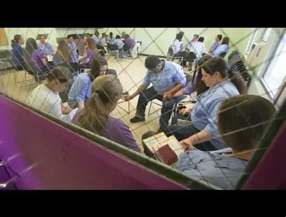
Once a week for a year, I taught parenting classes at a minimum-security prison in Tulsa, Oklahoma. There was a men’s wing and a women’s wing at the prison, but classes were co-ed and were held at a hall near the main dining room. I was apprehensive at first about security issues, but I needn’t have been. Most of the attendees were serving sentences for child abuse or neglect, and had been mandated by the court system to attend parenting classes before they could be declared capable of getting their children back. Children had been removed from the home by Child Protective Services (CPS) after investigations confirmed the occurrence of abuse. I was told to expect some hostility from the parents who were after all, being forced to attend the classes. But I found that apart from a few repeat offenders who didn’t seem interested, most of the parents were eager to listen and learn.
In the US, types of child abuse offenders that are typically sent to jail include:
The specific penalties can vary by state and the severity of the offense, with some states having mandatory reporting laws for certain professionals. (www.findlaw.com)
Research consistently shows that child abuse arises from multiple interacting factors rather than a single cause. These risk factors occur at the individual, family, community, and societal levels. Key parental risk factors include substance abuse, mental health issues (such as depression), a history of being abused as a child, lack of parenting knowledge, high stress or economic hardship, and social isolation.
Our parenting education program was designed to teach delinquent parents the fundamentals of effective parenting. Key elements of the program were: understanding child development, positive discipline techniques, building emotional resilience in parents, developing effective communication between parent and child, and promoting parental confidence. Parenting education and support programs are essential tools in the prevention of child abuse and neglect. By teaching parents effective, non-violent parenting techniques and providing them with the emotional and social support they need, these programs help create safer, healthier environments for children.
My own experience of conducting parenting classes with parents incarcerated for child abuse consisted of first establishing an atmosphere of trust and confidentiality that could encourage open communication. I had to deliberately repress my own biases against child abuse offenders because the parents had to feel like I was on their side. And even if at first I was wary of their intentions to change, I realized that at least for most of them, there was a determination to learn. These parents loved their children and wanted them back. They were willing to do what it took to correct their mistakes. If substance abuse was involved, they would go into rehab. If they were suffering from mental health issues, they would go into treatment. If they had been abused as a child, they would learn how to stop the abuse of their own children. Most of the inmates would go on to join support programs that would help to keep them on the right path. It was a life-changing experience for me since it was my first time to work in the field of child abuse prevention. I was extremely grateful for having been given the opportunity to help people overcome the terrible suffering that child abuse causes in families and communities not just in the US but all over the world.
HEART-MIND HARMONY
Emotional Wellness for Women