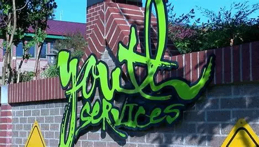
It was the beginning of the electronic revolution (the 80s), at least for me it was. The agency was headquartered in downtown Tulsa, and everyone’s desk had a computer and a monitor. I knew (very basically) how to write and receive e-mail but the various apps were still alien to me. By Day 1, I knew that would have to change…very quickly. Word and Power Point were “de rigueur,” and I was to spend a great many overtime hours just teaching myself the tricks of the trade. Anyway, it took a while but I practiced till comfortable, communicating with my boss and the rest of the staff through email (Viber, WhatsApp, and FB were not yet in common use), and using Word to create all kinds of documents and more importantly, the outlines for various parenting programs I was hired to design, including translations into Spanish and Vietnamese. Power Point became my go-to option for presentations that required audio and visual aids. The meat of the work was with troubled youth who were our primary clients either referred by the schools, the court system, or those in our runaway shelter. I was in charge of our parenting programs which we conducted at our main site as well as our satellites, including the Northside office where the African American community was concentrated, the prison system where delinquent parents were required to take parenting classes to get their children back, and the Creek Nation out of Tahlequah, Oklahoma which had a major alcohol problem among youth in their reservations. We also had a support program for gay youth funded partly by Tulsa’s professional gay community.
I had been warned by naysayers about how working in social service was not only brutal, but thankless; how I would reach burn-out quickly from having to listen to multiple accounts of family misery; how the pay was low and the risks, of working with delinquent parents and youth, high. I’ll say this, and it was one of my first insights into social service work. It is indeed difficult, but fulfilling in the most profound ways that cannot not be predicted. Every situation, in family counseling as well as in group support programs, was different—always in crisis, each crisis unique, each situation necessitating a separate set of helping skills. But I know I got more than I gave… definitely. I spent time, energy, and professional effort to help the families, but their input, many times given unwillingly, their reactions to my efforts, their valuable feedback, taught me lessons in life I would never otherwise have learned. They were my teachers really, providing the circumstances for significant self-awareness, the development of new skills, the discovery of new pathways to client therapy, and the feelings of satisfaction for a job well done, as well as the determination to do better if certain strategies did not work. In my succeeding blog posts I will undertake the detailing of each separate experience—what it was about, how it affected me professionally and personally, and the outcomes that contributed either positively or negatively to my cognitive bank and my own mental and emotional health. It is my hope that my insights will contribute to yours too, as we journey together through my tales of wisdom and woe. Thanks very much for your company.
HEART-MIND HARMONY
Emotional Wellness for Women